

 한국어
 日本語
The ancient imperial city of Hue has always been an ideal and deeply enriching destination for international visitors exploring Vietnam. This remarkable city preserves in all its timeless glory the magnificent beauty of its royal architectural heritage, offering travelers a rare and intimate window into the grandeur of Vietnam’s imperial past. Follow along as we share our most comprehensive guide and insider tips for exploring the extraordinary Complex of Hue Monuments!
Introducing the Ancient Imperial City of Hue
Nestled serenely along the banks of the poetically beautiful Perfume River, the ancient imperial city of Hue once served as the political and cultural heart of the Nguyen Dynasty — Vietnam’s last royal ruling house. The Complex of Hue Monuments encompasses a magnificent array of palaces, temples, mausoleums, and grand royal structures of extraordinary historical and architectural significance. Beyond its unparalleled architectural artistry, the complex is also blessed with a beautifully harmonious and tranquil natural landscape that perfectly complements its imperial grandeur.
Upon setting foot in this extraordinary city, international visitors will be treated to a sweeping and deeply evocative panorama of the ancient imperial capital, where the weight of history and the passage of time can be felt at every turn. This truly ideal destination offers a rare and immersive opportunity to explore the full depth and richness of Vietnam’s historical legacy and its most treasured traditional cultural values.
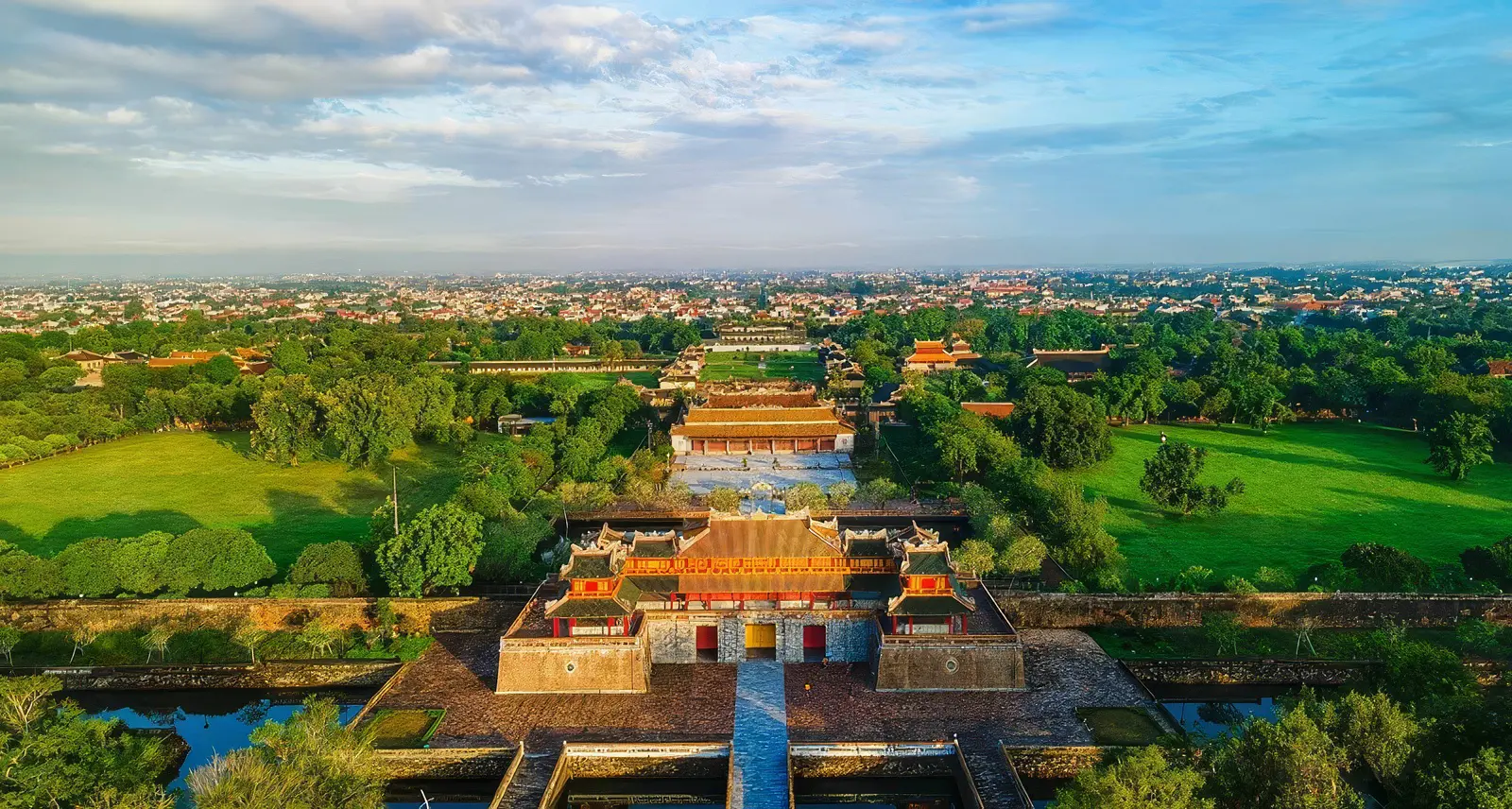
Admiring the Majestic and Time-Honored Beauty of the Ancient Imperial City of Hue
The History and Formation of the Ancient Imperial City of Hue
Delving into the remarkable history of the Ancient Imperial City of Hue, visitors will be deeply impressed by the extraordinarily meticulous and painstaking construction process undertaken by the Nguyen Dynasty. Beginning in 1805, Emperor Gia Long personally surveyed the terrain along the banks of the Perfume River and set in motion the ambitious construction of the imperial citadel. This monumental undertaking mobilized tens of thousands of workers over many consecutive years to excavate moats, build fortified walls, and erect the grand palaces and royal structures that would define the city’s magnificent character.
It was not until 1832, during the reign of Emperor Minh Mang, that the entire vast and complex system of royal structures was officially completed in its most fully realized form. Over the following 143 years, the Imperial City of Hue served as the seat of power and the beating heart of the Vietnamese empire, intimately associated with the reigns of 13 successive Nguyen Dynasty emperors.
Despite enduring countless turbulent historical upheavals and the devastating ravages of war over the centuries, the history of the Ancient Imperial City of Hue remains powerfully and indelibly etched into every moss-covered wall and weathered stone. Today, the historical monuments of Hue stand as vivid and compelling living testaments, helping international visitors to gain a deeper and more profound understanding of Vietnam’s glorious and golden imperial past.
In Which Year Was the Ancient Imperial City of Hue Recognized by UNESCO?
Many international visitors often wonder in which year the Ancient Imperial City of Hue was officially recognized by UNESCO. The answer is December 1993 — making it the very first World Cultural Heritage Site in all of Vietnam to receive this prestigious and internationally celebrated distinction. This remarkable achievement powerfully affirms the immense and enduring significance of the Hue Monuments on the global cultural heritage map, cementing its place as one of the world’s most treasured and irreplaceable historical landmarks.
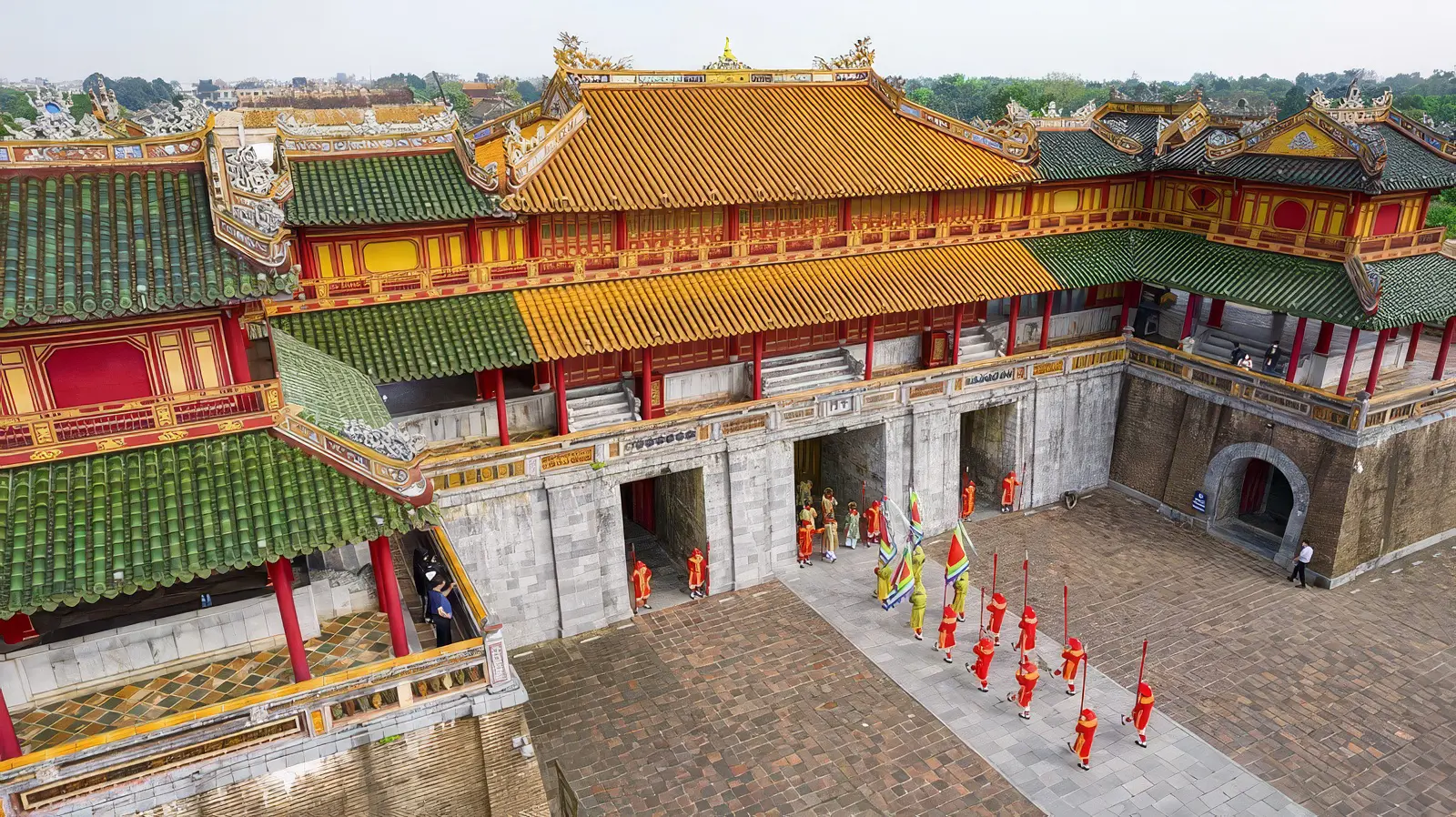
The Ancient Imperial City of Hue was officially recognized by UNESCO in 1993.
Architectural Characteristics of the Complex of Hue Monuments
The architecture of the Complex of Hue Monuments adheres strictly and meticulously to the fundamental principles of Eastern feng shui philosophy. Every structure within the complex is positioned in perfect and harmonious alignment with the surrounding natural environment, creating a seamless and deeply intentional integration of human craftsmanship and the natural world. Ngu Binh Mountain and the Perfume River serve as natural protective elements, forming a powerful and auspicious geographical embrace around the imperial city. Every intricate detail carved into the ceramic roof tiles and decorative architectural elements stands as a testament to the extraordinary talent, skill, and artistry of the master craftsmen of a bygone era.
Notable Landmarks and Structures Within the Hue Imperial Citadel
Stepping into the heart of this extraordinary imperial complex, you will find yourself completely overwhelmed by the sheer grandeur and magnificence of the remarkable structures that surround you on all sides. Here are the most unmissable and iconic highlights that every visitor must experience.
Ngo Mon Gate (Noon Gate)
Ngo Mon Gate is the grand main entrance of the Imperial Enclosure, positioned prominently along the southern side of the complex. This extraordinarily distinctive and historically significant gateway features a magnificent three-tiered pavilion structure that is unlike any other in Vietnam. In its heyday, Ngo Mon Gate served as the ceremonial venue for the most important and prestigious royal court rituals and imperial celebrations — a place where the full power, splendor, and majesty of the Nguyen Dynasty was put on its most magnificent public display.
Thai Hoa Palace (Palace of Supreme Harmony)
Thai Hoa Palace stands as the ultimate and most iconic symbol of supreme power and royal authority of the Nguyen Dynasty. Within its magnificently adorned interior stands the resplendent lacquered and gilded royal throne upon which the emperors of Vietnam held court. This grand and historically momentous hall also served as the sacred venue for the most important and consequential royal court audiences and imperial ceremonies throughout the dynasty’s remarkable history — the very epicenter of Vietnamese imperial power at its most glorious and commanding.
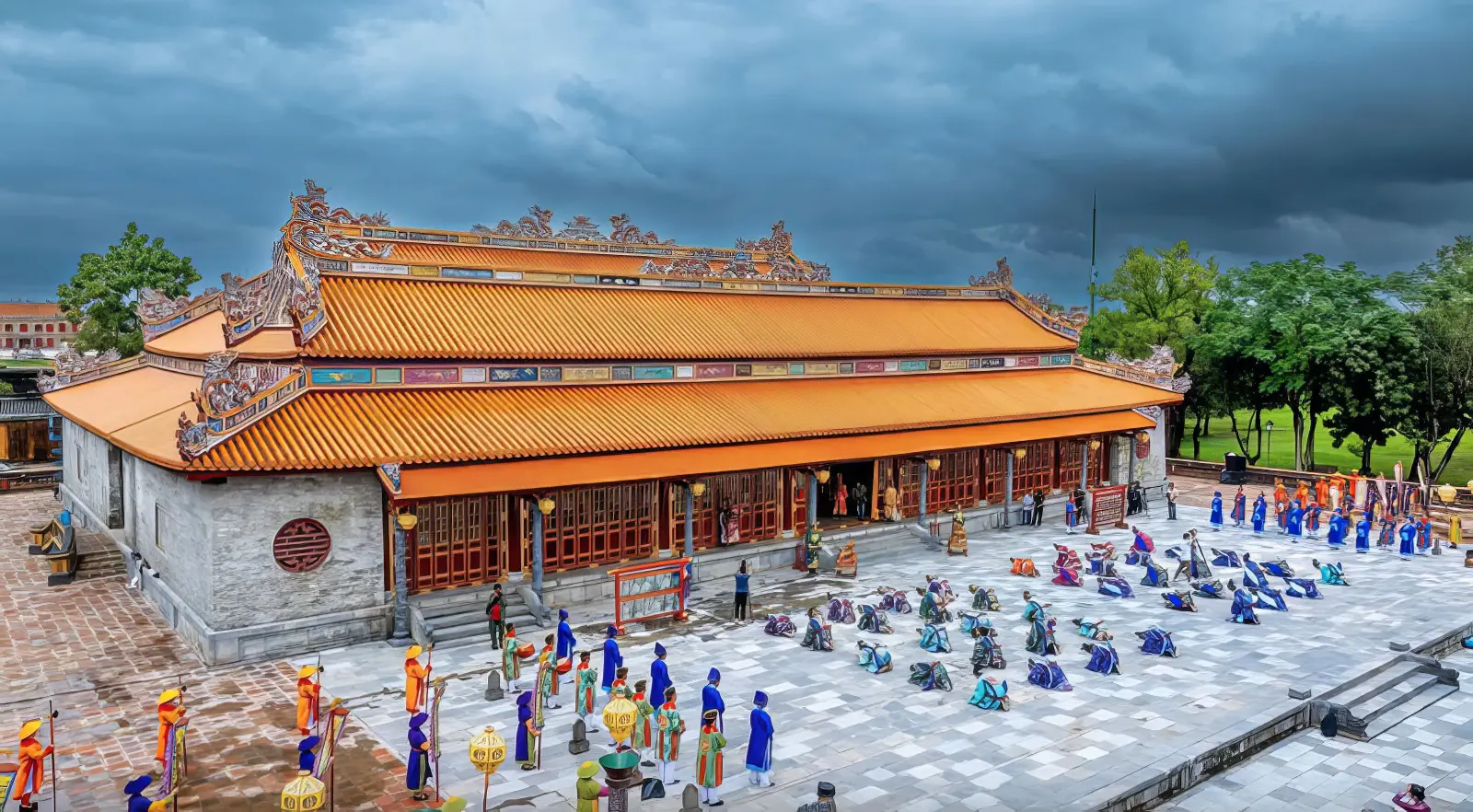
Thai Hoa Palace is regarded as the most iconic symbol of power and supreme authority of the Nguyen Dynasty.
Hien Lam Pavilion
Hien Lam Pavilion stands as the tallest wooden architectural structure within the entire imperial enclosure, a remarkable achievement of traditional Vietnamese carpentry and craftsmanship. This magnificent pavilion was constructed with the deeply reverential purpose of honoring and commemorating the extraordinary contributions and lasting legacies of the Nguyen emperors. With its gracefully elegant, refined, and profoundly sacred presence, Hien Lam Pavilion radiates an aura of timeless dignity and spiritual reverence that leaves every visitor deeply moved and contemplative.
The Flag Tower of the Hue Imperial Citadel
The Ky Dai, also widely known as the Flag Tower, stands prominently in front of Ngo Mon Gate, commanding the surrounding landscape with quiet authority. This historically significant structure has borne silent witness to countless pivotal and momentous events in Vietnam’s national history over the centuries, making it one of the most symbolically meaningful landmarks within the entire Hue complex. From this elevated vantage point, visitors are treated to a sweeping and unobstructed panoramic view of the entire surrounding area — a perspective that beautifully captures the grandeur and scale of the imperial citadel in all its historic magnificence.
Kien Trung Palace
Kien Trung Palace showcases a masterfully executed architectural fusion of Eastern and Western design influences, creating a uniquely captivating aesthetic that reflects the cross-cultural exchanges of its era. This magnificent palace was once the cherished private residence of Emperor Khai Dinh and Vietnam’s last emperor, Bao Dai. The palace has recently undergone a meticulous and comprehensive restoration, bringing it back to its former glory in a breathtakingly splendid and resplendent state that is sure to leave every visitor utterly awestruck.
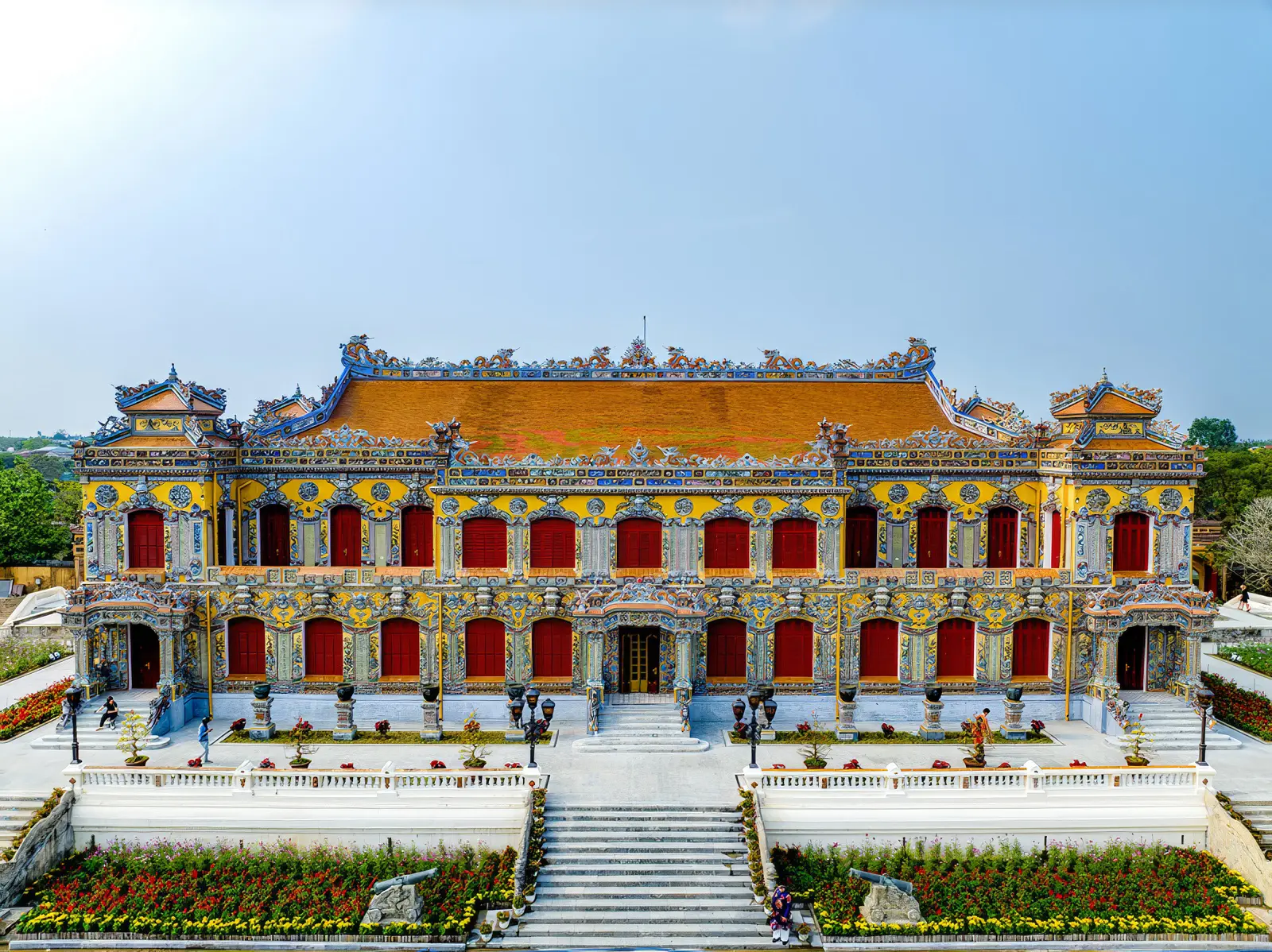
Kien Trung Palace showcases a masterfully crafted fusion of Eastern and Western architectural styles harmoniously combined.
Long An Palace
Long An Palace is celebrated for its extraordinarily intricate and breathtakingly exquisite wood carving artistry, which represents some of the finest examples of traditional Vietnamese craftsmanship anywhere in the country. The architecture of this remarkable palace bears the unmistakable and deeply evocative hallmarks of the golden age of Hue royal court art — a testament to the extraordinary cultural and artistic achievements of a magnificent era now long past. Today, this beautifully preserved historic building has been thoughtfully repurposed as a museum exhibition space, allowing visitors to immerse themselves in a rich and carefully curated collection of imperial artifacts and cultural heritage displays.
The Museum of Royal Fine Arts of Hue
This exceptional institution houses thousands of extraordinarily precious and irreplaceable artifacts from the Nguyen Dynasty, offering visitors a rare and privileged glimpse into the treasures of Vietnam’s imperial past. You will have the unique opportunity to admire up close an outstanding collection of royal garments, exquisite ceramics, and a remarkable array of imperial household objects and regalia. This world-class museum provides international visitors with a fascinating and deeply enriching insight into the lavish and opulent lifestyle enjoyed by the emperors and members of the royal court in centuries gone by.
Tinh Tam Lake
Tinh Tam Lake was once the most celebrated and romantically beautiful imperial garden in the entire royal complex, serving as a cherished retreat for the Nguyen emperors and members of the royal court. The scenery here is breathtakingly picturesque, particularly during the summer months when thousands upon thousands of exquisite lotus blossoms open in magnificent abundance, carpeting the lake’s shimmering surface in a sea of delicate pink and white. This tranquil and enchanting destination is the perfect place to pause, breathe deeply, and fully immerse yourself in the rare and deeply restorative sense of peace and serenity that permeates every corner of this timeless imperial garden.
Duyet Thi Duong (Royal Theatre)
Duyet Thi Duong holds the distinguished distinction of being the oldest surviving royal theatre in all of Vietnam, a truly irreplaceable cultural treasure that has endured through the centuries. This magnificent historic performance hall was the prestigious venue for royal court music performances and elaborate traditional Vietnamese opera productions that once captivated the emperors and their courts. International visitors today have the wonderful opportunity to purchase tickets and experience an authentic and enchanting performance of traditional Vietnamese performing arts in this extraordinarily historic setting — a cultural encounter that is as rare as it is unforgettable.
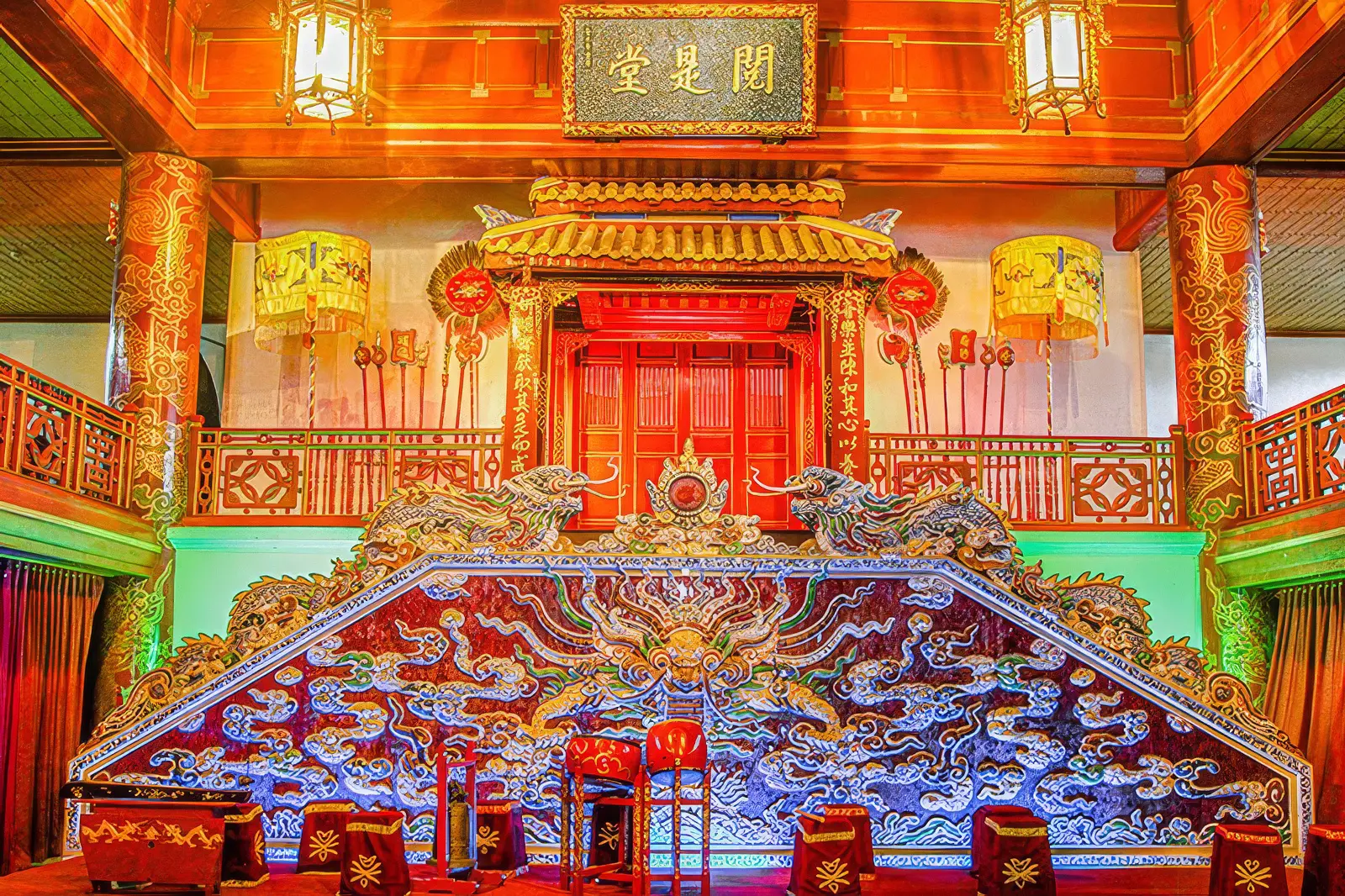
Duyet Thi Duong was once the prestigious venue for royal court music performances and spectacular traditional Vietnamese opera productions.
Thai Binh Lau (Royal Reading Pavilion)
Thai Binh Lau served as the imperial library and personal reading retreat — a serene and cherished sanctuary where the emperor would withdraw to read, study, and find peaceful respite from the demands of court life. The pavilion is adorned with extraordinarily beautiful decorative motifs of intricately inlaid ceramic and porcelain work, creating a surface of remarkable artistic richness and visual splendor. The surrounding grounds are enveloped in the cool and tranquil shade of lush, mature trees, creating an atmosphere of profound quietude and timeless elegance that perfectly reflects the contemplative spirit of this beloved imperial sanctuary.
What Makes the Interior of the Ancient Imperial City of Hue So Special?
Many visitors are deeply curious about what extraordinary wonders and hidden treasures lie within the Ancient Imperial City of Hue. Here are the most captivating and distinctive highlights that draw millions of fascinated visitors to this remarkable destination every single year.
The Most Intact Royal Palace Complex in All of Vietnam
Hue stands as the only place in Vietnam where a remarkably well-preserved system of imperial palace structures has survived to the present day. Despite having suffered partial damage and destruction throughout the turbulent chapters of Vietnam’s history, the overall form and character of the imperial enclosure has been exceptionally well maintained and conserved. This extraordinary state of preservation delivers an authentically immersive and genuinely moving historical experience for every visitor — a rare opportunity to step directly into the living legacy of Vietnam’s magnificent imperial past.
The Imperial Citadel’s Military Architectural Design
The Imperial Citadel of Hue is not only a place of extraordinary beauty and architectural splendor — it is also a remarkably formidable defensive fortress of considerable strategic significance. The complex features a sophisticated and meticulously designed military defense system, comprising thick and imposing stone walls, deep surrounding moats, and a network of carefully positioned bastions and fortifications. Together, these elements stand as a powerful testament to the outstanding military strategic vision and foresight of the Nguyen Dynasty rulers, who understood that the security and inviolability of their imperial seat was as important as its grandeur and magnificence.
Home to Remarkably Unique and Extraordinary Royal Mausoleums
The royal mausoleums of Hue were conceived and constructed as magnificent palaces for the afterlife — elaborate and awe-inspiring resting places befitting the emperors who commissioned them. Each mausoleum boasts a completely distinctive and individual architectural style that is entirely its own, reflecting with remarkable clarity and intimacy the unique personality, aesthetic sensibilities, and artistic preferences of the emperor for whom it was built. Together, they form an extraordinary and deeply fascinating collection of imperial funerary architecture that offers visitors an unparalleled window into the inner world and personal legacy of each of Vietnam’s Nguyen Dynasty rulers.
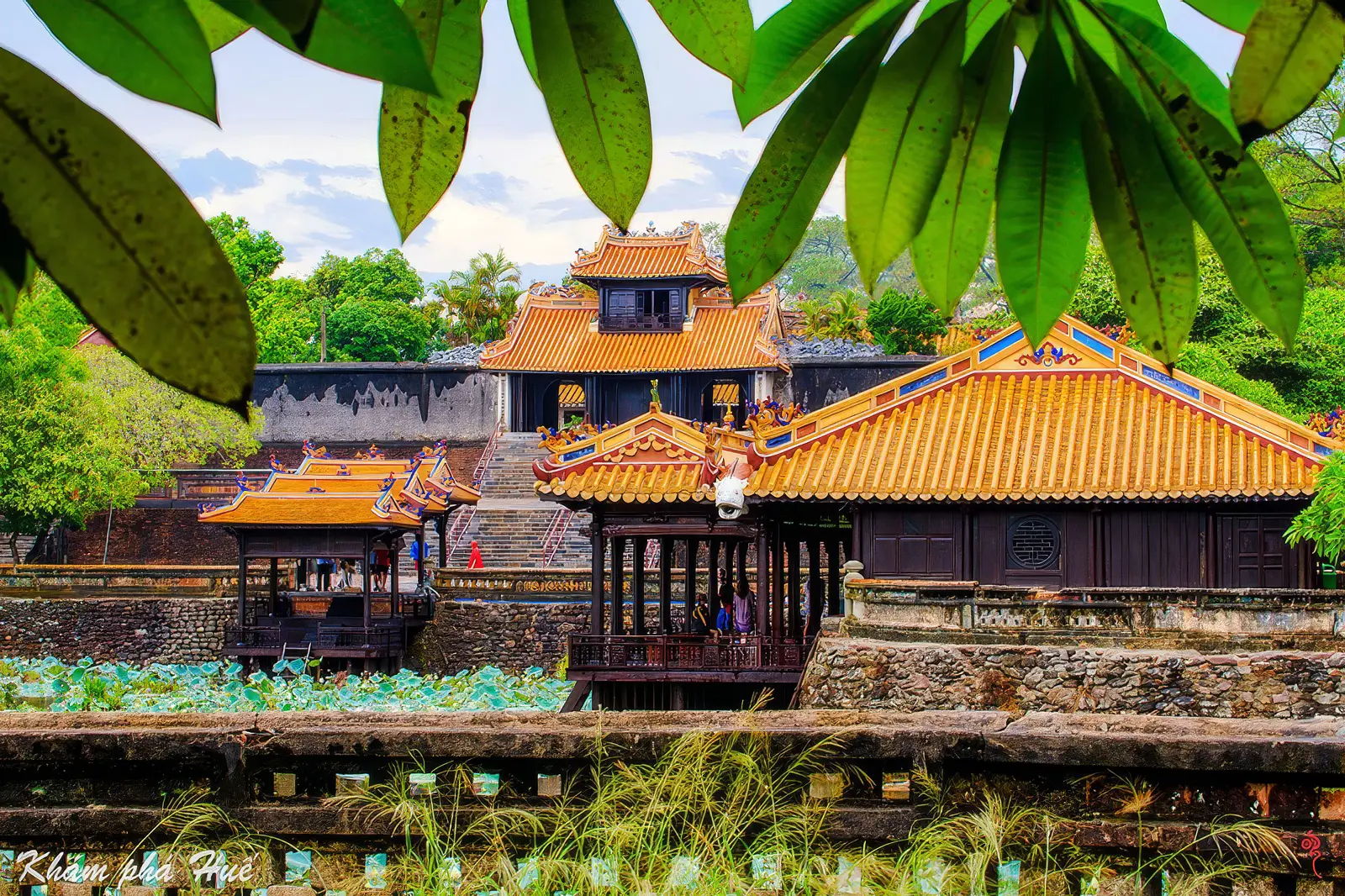
The Mausoleum of Emperor Tu Duc (Khiem Mausoleum)
The Precious Collection of Royal Court Treasures Still Preserved Today
Numerous priceless antiques crafted from gold, jade, and ivory are carefully and reverentially displayed in the museums of the complex, providing visitors with a rare and privileged opportunity to admire these extraordinary objects up close. These magnificent artifacts represent some of the most invaluable artistic masterpieces in all of Vietnamese cultural heritage. They stand as compelling and eloquent testimony to the extraordinary wealth, refinement, and supreme level of craftsmanship and artisanal skill achieved by Vietnamese civilization during the height of the imperial era.
The Restoration of the Hue Imperial Citadel and Its Captivating Cultural Festivals
A vibrant array of traditional cultural festivals and royal court ceremonies are regularly recreated and brought to life within the historic grounds of the imperial enclosure, offering visitors a truly immersive and authentic encounter with Vietnam’s rich imperial heritage. The most celebrated and anticipated of these events is the Hue Festival, a spectacular and internationally renowned cultural extravaganza that draws large and enthusiastic crowds of visitors from across the globe. Attending this extraordinary event will allow you to be fully swept up in the wonderfully lively and vibrant atmosphere, saturated with the deep and distinctive cultural identity that makes Hue so uniquely special and endlessly captivating
Preserving the Royal Court Music of Hue
Hue Royal Court Music, known as Nha Nhac, has been officially recognized by UNESCO as an Intangible Cultural Heritage of Humanity — a prestigious distinction that underscores its extraordinary and irreplaceable significance in the world’s cultural landscape. This refined and deeply elegant musical tradition was once performed exclusively for the imperial family and the privileged members of the royal nobility. Today, the doors to this exquisite and timeless art form have been joyfully opened to all, and visitors can now easily and readily enjoy an authentic performance of Nha Nhac — a deeply moving and culturally enriching experience that connects audiences directly with the soul of Vietnam’s imperial heritage.
Essential Things to Know Before Visiting the Hue Imperial Citadel
To ensure your visit to the Hue Imperial Citadel unfolds as smoothly and enjoyably as possible, please take note of the following important information and practical guidelines. These tips are especially valuable and helpful for international visitors experiencing the wonders of Vietnam for the very first time.
Opening Hours and Entry Ticket Prices for the Hue Imperial Citadel
The heritage complex is open to visitors daily from 7:00 AM to 5:30 PM. Entry ticket prices are approximately 200,000 VND for adults and 40,000 VND for children. International visitors are strongly encouraged to consider purchasing a combined multi-site ticket, which offers excellent value for money and allows convenient access to multiple heritage attractions within the complex at a significantly reduced overall cost.
The Most Ideal Time to Visit the Hue Imperial Citadel
The spring season from January through April is widely regarded as the most perfect and ideal time to visit Hue. During this period, the weather is wonderfully cool and refreshing with minimal rainfall, creating optimal conditions for outdoor exploration and sightseeing throughout the heritage complex. It is strongly advisable to avoid planning your visit during the prolonged rainy and stormy season from September through December, when heavy rainfall and occasional typhoons can significantly disrupt travel plans and outdoor activities.
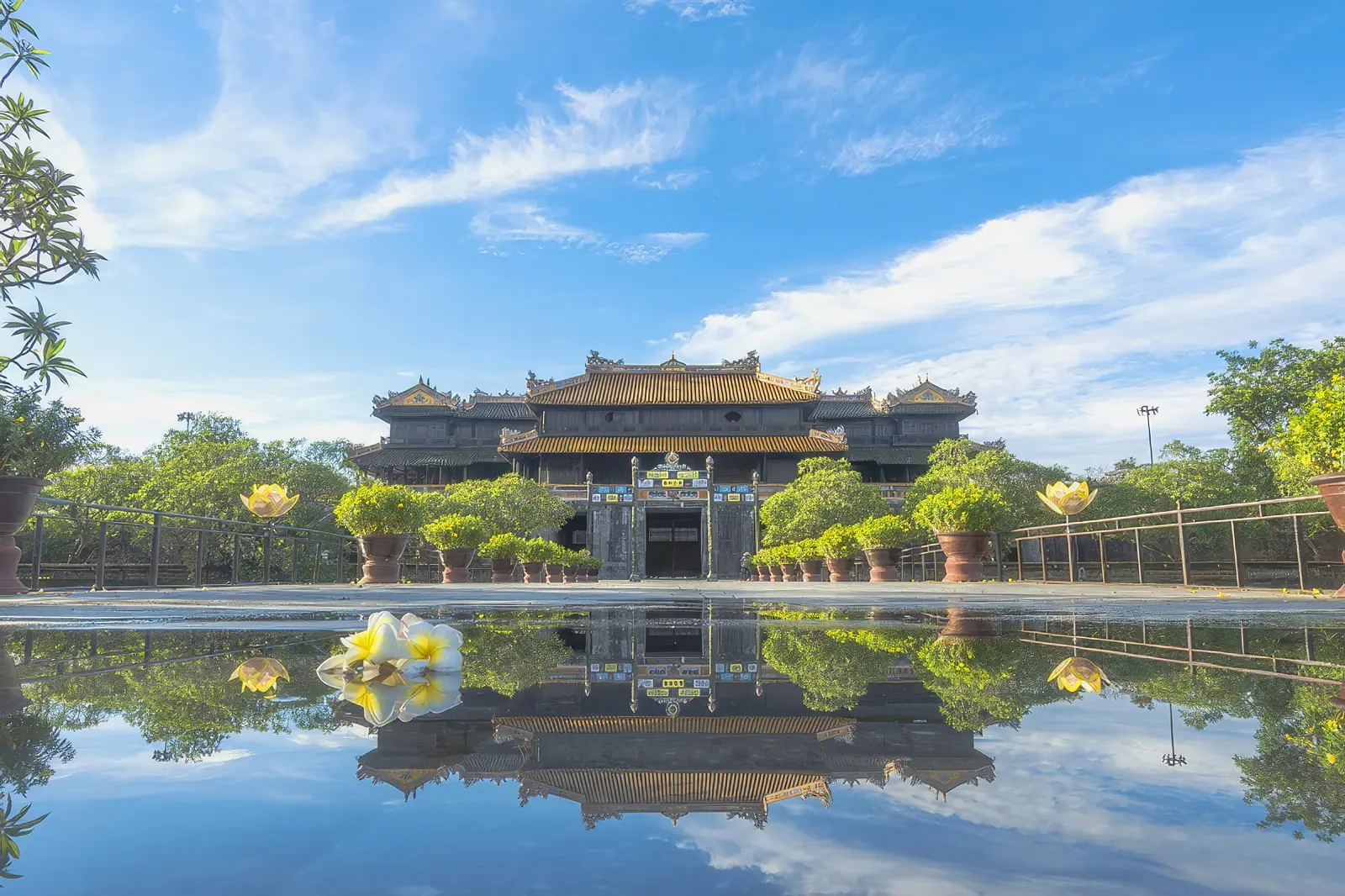
The best time to visit the Hue Imperial Citadel is during the early and late months of the year.
A Complete Guide on How to Get to the Hue Imperial Citadel
International visitors have a wide range of convenient transport options available for traveling to Hue from major cities across Vietnam. Familiarizing yourself with the distances and available transport modes will help you plan your journey with confidence and ease.
- From Hanoi: The distance from Hanoi to Hue is approximately 700 km. Flying is the fastest option, with a flight time of around 1 hour and 15 minutes to Phu Bai Airport, followed by a short 15 km taxi ride into the city center. For those who prefer a more leisurely and scenic journey, the train offers a wonderfully atmospheric alternative, with a travel time of approximately 13 hours through some of Vietnam’s most breathtaking landscapes.
- From Ho Chi Minh City: The distance from Ho Chi Minh City to Hue is considerably longer at approximately 1,050 km. A direct flight remains the most convenient and time-efficient option at just around 1 hour and 30 minutes. For those opting for the train or sleeper coach, the journey extends to between 18 and 22 hours, offering a scenic overland experience through the heart of Vietnam.
- From Da Nang: Da Nang is just approximately 100 km from Hue, making travel between the two cities remarkably quick and straightforward. A private car hire or tourist bus takes around 2 hours and is a very popular and affordable option. The scenic heritage train route connecting Da Nang and Hue is currently one of the most beloved and highly recommended travel experiences in the region, offering breathtaking coastal and mountain views throughout the journey.
Additional Tips and Reminders When Visiting the Hue Imperial Citadel
To ensure your exploration of the Hue Imperial Citadel is as enriching and fulfilling as possible, international visitors are encouraged to keep the following important practical tips in mind. Following these guidelines will help you make the most of your visit and ensure a truly wonderful and memorable experience.
- Dress Appropriately: Always wear respectful and modest clothing when entering sacred temple and shrine areas within the complex. Shorts, sleeveless tops, and overly short skirts are not appropriate attire for these revered spaces and should be avoided.
- Wear Comfortable Footwear: The heritage complex covers an impressively vast area that requires a considerable amount of walking. A comfortable and supportive pair of sports shoes or walking shoes is your best and most essential companion for a full day of exploration.
- Protect Yourself from the Summer Heat: The weather in Hue during the summer months can be particularly hot and humid. Visitors are strongly advised to bring a wide-brimmed hat or parasol and to apply sunscreen generously and regularly throughout the day.
- Hire a Local Guide: To gain a truly deep and meaningful understanding of the rich historical stories and cultural significance of each site within the complex, hiring a knowledgeable local guide is highly recommended. A good guide will bring the history to life and make your visit significantly more engaging, informative, and memorable.
- Respect the General Rules and Regulations: Always keep the environment clean and dispose of waste responsibly within the complex. Visitors must also refrain from touching any of the ancient artifacts and exhibits on display, as even the slightest contact can cause irreversible damage to these irreplaceable cultural treasures.
The Imperial City of Hue promises to deliver an extraordinary and deeply enriching cultural experience that will leave a lasting impression on every visitor. Prepare thoroughly and thoughtfully to ensure your journey is as complete and unforgettable as possible. To book your perfectly tailored heritage tour itinerary, visit asianstartravel.vn today!